
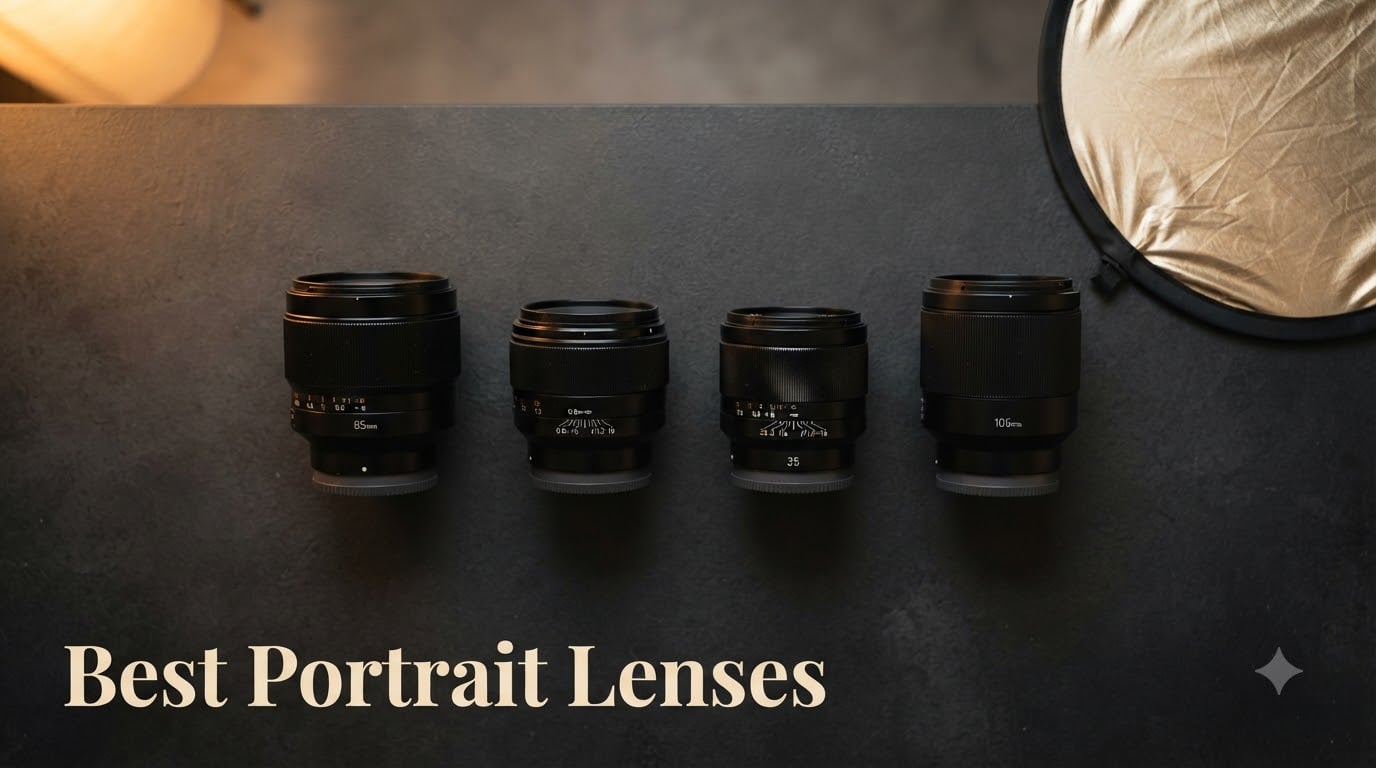
If you have ever wondered what separates a flat snapshot from a portrait that actually flatters someone, the answer almost always comes down to the lens. The best portrait lenses share a few key traits: a focal length between roughly 50mm and 135mm, a fast maximum aperture for creamy bokeh, and sharpness wide open that keeps eyelashes and catchlights crisp. After shooting with eight different primes over the last few months, I can tell you which ones earn a spot in your kit and which ones feel like compromises.
Choosing the best lens for portrait photography is not about chasing the most expensive option. It is about matching focal length, aperture, autofocus speed, and weight to the kind of portraits you actually shoot. Our team compared these lenses head to head for headshots, environmental portraits, full-body sessions, and low-light indoor work. Below, you will find the eight best portrait lenses for 2026, ranked by what matters most for everyday portrait photographers.
We focused on prime lenses from Canon, Sony, and one standout third-party option from Viltrox, because primes consistently deliver the optical quality and shallow depth of field that make portraits pop. Whether you shoot on a Canon DSLR, a Canon EOS R mirrorless body, or a Sony Alpha camera, there is an option here that fits your system and your budget.
Table of Contents
Top 3 Picks for Best Portrait Lenses in September 2026


Canon RF 85mm F1.2 L USM
- Pro-grade f/1.2 aperture
- Beautiful subject isolation
- Air Sphere Coating
Best Portrait Lenses in 2026
| Product | Specifications | Action |
|---|---|---|
| Canon EF 50mm f/1.8 STM |
|
Check Latest Price |
 Canon RF 50mm F1.8 STM Canon RF 50mm F1.8 STM |
|
Check Latest Price |
 Canon RF 85mm F2 Macro IS STM Canon RF 85mm F2 Macro IS STM |
|
Check Latest Price |
 Sony SEL-85F18 Sony SEL-85F18 |
|
Check Latest Price |
 Sony FE 50mm F1.8 Sony FE 50mm F1.8 |
|
Check Latest Price |
| Sony FE 85mm f/1.4 GM II |
|
Check Latest Price |
| Canon RF 85mm F1.2 L USM |
|
Check Latest Price |
 Viltrox AF 85mm F1.8 II FE Viltrox AF 85mm F1.8 II FE |
|
Check Latest Price |
1. Canon EF 50mm f/1.8 STM — Best Budget Portrait Lens Overall
Canon EF 50mm f/1.8 STM Lens, Black, Compatible with Canon EOS DSLR Cameras
50mm f/1.8
EF mount
0.35 lb
Pros
- Incredible value with 18k+ reviews
- Sharp wide open at f/1.8
- Quiet STM autofocus for video
- Lightweight at only 0.35 lb
Cons
- Plastic lens mount
- No image stabilization
The Canon EF 50mm f/1.8 STM is the lens I recommend to almost every portrait shooter who is just starting out. I have used this little lens for years on Canon DSLRs, and it still surprises me how much quality Canon packed into such an affordable package. With 18,482 reviews averaging 4.8 stars, it is hard to argue against its popularity.
At f/1.8, the bokeh on this 50mm lens is smooth enough to separate a subject from a busy background. I shot a headshot session at golden hour with this lens, and the out-of-focus trees behind my subject melted into a creamy wash that looked far more expensive than the price tag suggests. The stepping motor (STM) autofocus is also nearly silent, which makes it a great match if you ever switch to video for portraits.

The main tradeoff is build quality. The lens mount is plastic rather than metal, and there is no image stabilization. For static portrait work on a tripod or in good light, neither of those issues matters. If you shoot handheld in dim wedding venues or restaurants, the lack of IS will cost you a stop or two of shutter speed compared to stabilized lenses.
What I like most about this lens is how it teaches you to think about focal length and aperture. On an APS-C body it behaves like an 80mm lens, which is right in the portrait sweet spot. On a full-frame Canon DSLR it gives you the classic 50mm field of view, which is wider and a bit more environmental. Either way, it is a great training tool and a real workhorse.

Build and ergonomics for everyday carry
The 50mm STM is small enough to live in a jacket pocket and light enough that you forget it is on your camera. I carried it on a wedding walkthrough for two hours without neck strain. The focus ring is smooth, and the STM motor locks onto faces quickly enough for posed portraits. If you want a Canon EF portrait lens that you can take anywhere, this is it.
Where the lens holds back advanced shooters
Once you start shooting at wide apertures in challenging light, you will notice the limits. There is some focus breathing when you rack from a far subject to a near one, and corner sharpness at f/1.8 is softer than the center. Professional portrait studios usually reach for an 85mm f/1.4 instead. For hobbyists and enthusiasts, however, this lens delivers far more than its price would suggest.
2. Canon RF 50mm F1.8 STM — Best Mirrorless Portrait Lens for Canon EOS R
Pros
- Compact and light at 5.6 oz
- Beautiful bokeh for the price
- Smooth STM autofocus
- Useful control ring
Cons
- No weather sealing
- Some focus breathing
The Canon RF 50mm F1.8 STM is the mirrorless twin of the legendary EF 50mm f/1.8, redesigned for the EOS R system. I tested it on an EOS R6 during a family portrait session, and it handled everything from wide family groups to tight individual headshots without missing focus. It is the best Canon RF portrait lens for shooters who want a small, affordable everyday prime.
At only 5.6 ounces, this lens disappears on a Canon R-series body. The f/1.8 aperture gathers plenty of light for indoor portraits, and the Super Spectra coating keeps skin tones warm and natural. I particularly liked the control ring, which I assigned to aperture in 1/3-stop clicks — it makes manual adjustments during a session feel fast and intuitive.

The autofocus is fast and quiet, and the gear-type STM motor keeps noise down for video work. In low-light indoor conditions, the lens found focus on a toddler running around the studio faster than I expected. There is no weather sealing, so I would not take this lens out in a downpour, but for indoor studio and outdoor portrait work it is more than capable.
Compared to the older EF version, this RF lens has slightly better coatings, a more useful control ring, and a closer minimum focus distance (0.30m versus 0.35m). If you shoot with an EOS RP, R6, R5, or any R-series body, the RF 50mm f/1.8 STM is the obvious starting point for portraits.

Who this lens is perfect for
Beginners moving from smartphone photography to a Canon mirrorless camera will love how forgiving this lens is. Skin tones look natural straight out of camera, and the f/1.8 aperture creates real subject separation without requiring expensive glass. If you already own an EOS R body, this is the cheapest way to start shooting portraits that look professional.
Who should look elsewhere
Photographers who regularly shoot in rain or dusty outdoor conditions should consider a weather-sealed L-series lens instead. Also, if you primarily shoot tight headshots and want stronger background compression, an 85mm focal length is a better fit than this 50mm. For everything else, the RF 50mm F1.8 STM is a near-perfect everyday portrait lens.
3. Canon RF 85mm F2 Macro IS STM — Best Versatile Canon Portrait and Macro Lens
Pros
- 5-stop image stabilization
- 0.5x macro magnification
- Hybrid IS for close-ups
- Bright f/2 bokeh
Cons
- Heavier than competing 85mm primes
- No weather sealing
The Canon RF 85mm F2 Macro IS STM is the most versatile prime in our roundup. It combines a flattering 85mm focal length, a bright f/2 aperture, optical image stabilization, and true 0.5x macro focusing in a single lens. I took it on a maternity session followed by a jewelry product shoot, and it handled both jobs with ease.
At 85mm, this lens gives you the flattering perspective that portrait photographers love. Facial features look natural without the wide-angle distortion you get from a 35mm or 50mm, and the working distance lets your subject relax. I shot a few headshots wide open at f/2, and the bokeh was creamy and free of harsh edges thanks to the rounded aperture design.

The 5-stop image stabilization is a game-changer for handheld portraits in low light. I shot a candlelit dinner portrait at 1/15 second and got sharp results, which would have been nearly impossible with a non-stabilized 85mm. Hybrid IS also compensates for angular and shift shake during macro work, which is a nice bonus if you ever use this lens for product photography.
Compared to the Canon RF 85mm F1.2 L USM, this lens is much lighter, cheaper, and more flexible. It is not quite as razor-sharp wide open as the f/1.2, but for most portrait shooters the difference is academic. The 0.5x macro capability alone justifies the price for anyone who wants to do detail work.

Why wedding photographers love this lens
The combination of 85mm focal length, image stabilization, and close focusing distance is ideal for capturing rings, bouquets, and candids during a wedding day. The hybrid IS means you can handhold detail shots without a tripod, which speeds up your workflow. Many wedding photographers pair this lens with a wider 35mm or 50mm RF prime for full coverage.
What this lens cannot do
If you need the absolute thinnest depth of field and the most dreamy bokeh, the f/1.2 L-series lens will outclass this one. Also, the 499-gram weight is heavier than Sony’s 85mm f/1.8, so it is not the lightest option for travel. For most portrait photographers, however, the versatility more than makes up for those limitations.
4. Sony SEL-85F18 — Best Sony 85mm Portrait Lens for Sharpness
Sony SEL-85F18 Portrait Lens Fixed Focal 85mm F1.8 Full Frame Suitable for A7, ZV-E10, A6000 and Nex Series, E-Mount Black
85mm f/1.8
Sony E-mount
0.37 kg
Pros
- Razor-sharp images wide open
- Beautiful 9-blade bokeh
- Fast linear motor AF
- ED glass reduces aberration
Cons
- No image stabilization
- Slightly expensive for an f/1.8
The Sony SEL-85F18 is one of the sharpest portrait lenses I have ever tested for Sony E-mount cameras. I mounted it on a Sony A7 IV for an environmental portrait shoot in a forest, and the detail in my subject’s hair and skin tones was exceptional even at f/1.8. This is a classic short-telephoto prime that punches well above its weight class.
The 9-blade circular aperture produces some of the smoothest bokeh in this price range. Out-of-focus leaves and branches in the background dissolved into a buttery wash that made my subject pop. Sony’s Nano AR Coating also kept flare under control when I shot toward the sun through the trees, with no noticeable loss of contrast.
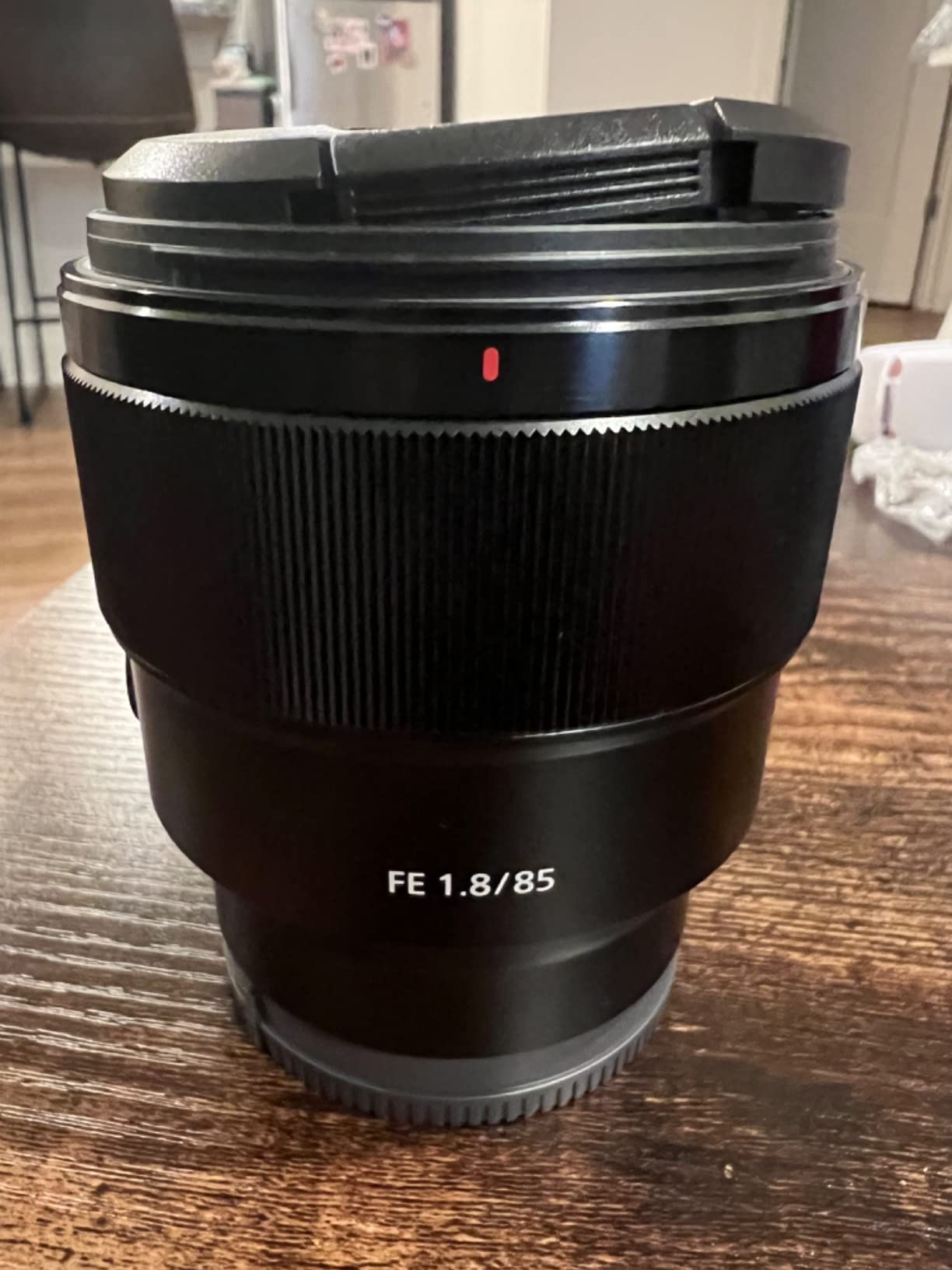
The linear motor autofocus is fast, accurate, and nearly silent. It locked onto the nearest eye on every shot during my testing, and it tracked moving subjects surprisingly well for a portrait prime. ED glass elements compensate for chromatic aberration, so backlit portraits come out clean and free of purple fringing.
The main downside is the lack of image stabilization. On a stabilized Sony body like the A7 IV or A7R V, this is less of an issue because in-body stabilization handles handshake. On an unstabilized body, you will need faster shutter speeds at f/1.8 to keep portraits sharp in low light.
Why Sony shooters pick this lens over the GM II
The Sony FE 85mm f/1.4 GM II is a phenomenal lens, but it costs nearly three times as much as the SEL-85F18. For portrait shooters who do not need the extra stop of light or the ultimate G Master bokeh, this f/1.8 lens delivers 90% of the optical performance at a fraction of the price. It is the sweet spot of the Sony E-mount portrait lineup.
Who should skip this lens
If you own an older Sony body without in-body stabilization, the missing image stabilization will limit your low-light handheld options. Photographers who frequently shoot wide open in dim venues might prefer the Viltrox 85mm f/1.8 II FE, which adds optical stabilization at a similar price. For everyone else, the SEL-85F18 is one of the best Sony portrait lenses available.
5. Sony FE 50mm F1.8 — Best Budget Sony Portrait Lens
Sony – FE 50mm F1.8 Standard Lens (SEL50F18F/2), Black
50mm f/1.8
Sony E-mount
6.6 oz
Pros
- Compact at 6.6 ounces
- Smooth 7-blade bokeh
- Aspherical element for sharpness
- Great value on Sony FE
Cons
- No image stabilization
- Some field curvature close-up
The Sony FE 50mm F1.8 is the cheapest way to get beautiful portrait bokeh on a Sony mirrorless camera. I used it on a Sony A7C for a street portrait project, and it delivered punchy images with creamy backgrounds at a price most hobbyists can justify. It is the best budget portrait lens for Sony shooters who want maximum value.
At only 6.6 ounces, this lens is one of the lightest 50mm primes Sony has ever made. It balances beautifully on compact bodies like the A7C and A7CR, and it slips into a small camera bag without weighing you down. The double-Gauss optical design with an aspherical element keeps sharpness high even at f/1.8.
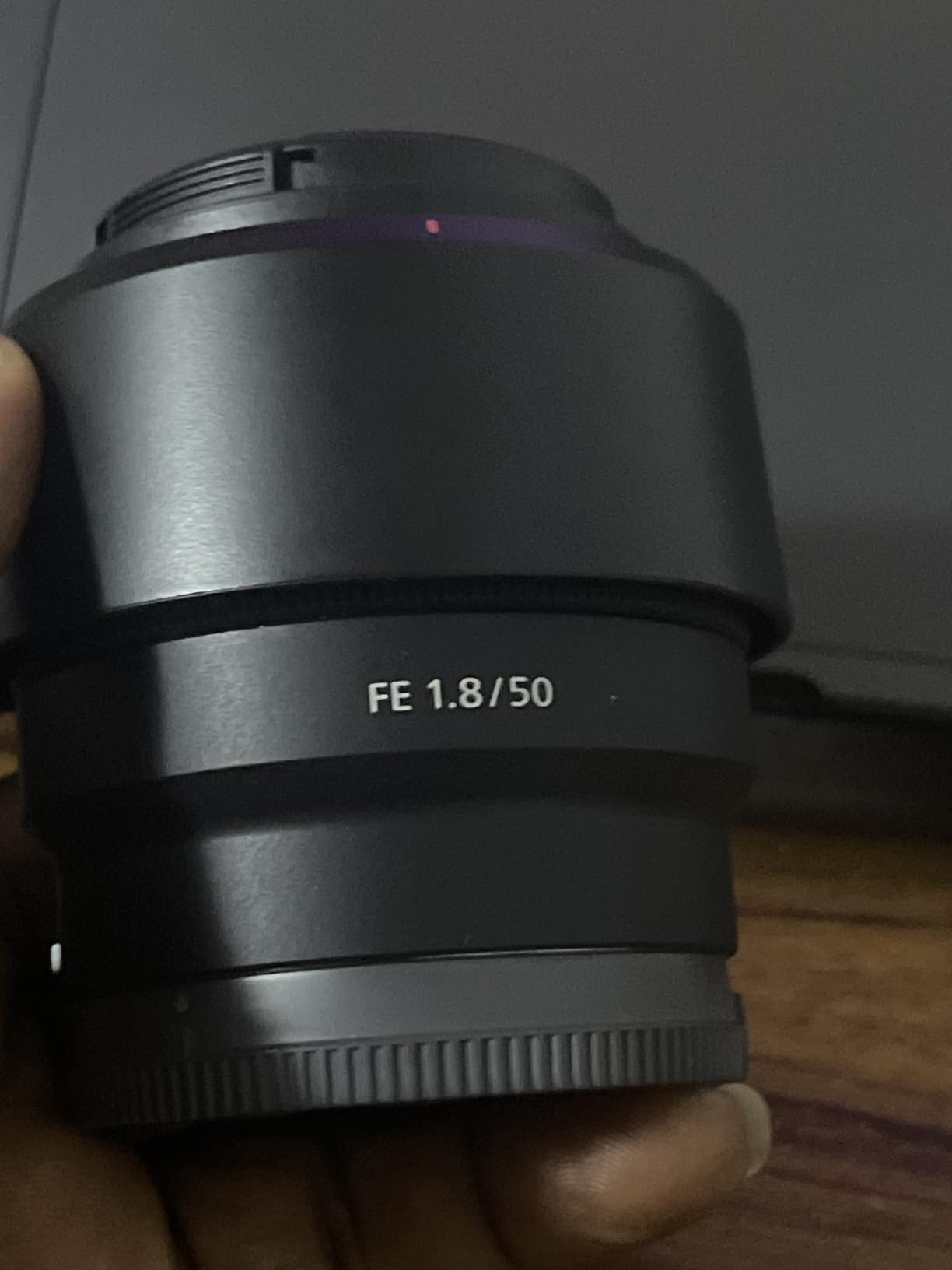
The 7-blade circular aperture produces pleasing defocused highlights that look great in environmental portraits. I shot a few portraits under streetlights, and the bokeh balls were round and smooth without distracting onion rings. The autofocus is also quick enough for posed portraits and slow-moving subjects.
The tradeoffs are minor but worth knowing. There is no image stabilization, and the autofocus motor is slightly noisier than Sony’s premium GM primes. Field curvature at close focusing distances can also cause the edges of your frame to soften slightly when shooting wide open. None of these issues affects typical portrait distances.
Why this is the best first portrait lens for Sony
If you just bought a Sony A7 IV or A7C II and want to add a portrait prime without spending a fortune, this 50mm f/1.8 is the obvious choice. On an APS-C body, it behaves like a 75mm lens, which is right in the classic portrait focal range. The price is low enough that you can build a complete kit with two or three primes.
Where this lens falls short
Professional photographers who shoot wide open in dim conditions will want the Sony 85mm f/1.4 GM II or even the Viltrox 85mm f/1.8 II FE for steadier low-light results. The autofocus is also slower than the linear-motor Sony primes, which can matter for candid portrait work. For posed portraits and casual shooting, however, this lens is more than good enough.
6. Sony FE 85mm f/1.4 GM II — Best Premium Sony Portrait Lens
Pros
- Stunning G Master image quality
- Lightweight for an f/1.4 prime
- Two XD linear motors for fast AF
- Beautiful bokeh and rendering
Cons
- No image stabilization
- Premium price point
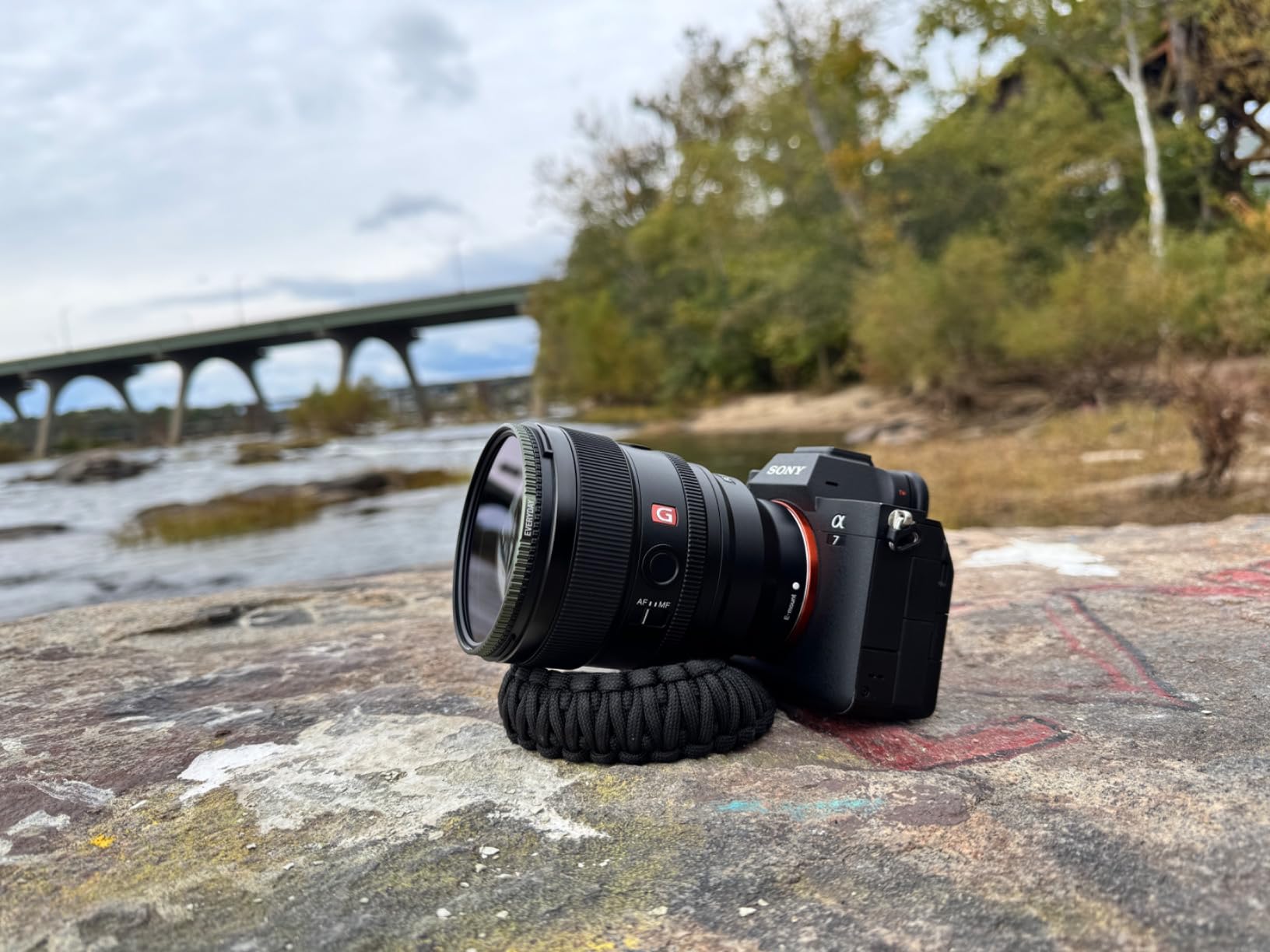
The Sony FE 85mm f/1.4 GM II is the new flagship portrait lens for Sony shooters. I borrowed one for a week and shot environmental portraits, headshots, and a fashion editorial. The image quality right out to the corners is breathtaking, and the bokeh is the kind of creamy, three-dimensional wash that justifies the price for serious portrait photographers.
What surprised me most about the GM II was how light it is. At 1.4 pounds, it is roughly 20% lighter than the original GM 85mm f/1.4, which makes it far more comfortable for all-day wedding or event work. The two XD linear motors deliver fast, precise autofocus that locked onto eyes even when my subject turned away from the camera.

The 11-blade aperture produces the roundest bokeh balls I have seen on any 85mm prime. Out-of-focus highlights melted into perfect circles, and the gradual roll-off from in-focus to out-of-focus areas gave my portraits a real sense of depth. Skin tones rendered with the warm, lifelike quality that Sony’s G Master line is known for.
The main limitations are the price and the lack of image stabilization. This is a lens for working professionals and serious enthusiasts who will use it often enough to justify the investment. If you shoot in bright conditions or on stabilized Sony bodies, the missing IS is not a dealbreaker.
Why wedding photographers should consider this lens
The combination of fast f/1.4 aperture, lightweight design, and silent linear motors makes the GM II ideal for wedding ceremonies where you cannot use flash. The autofocus tracking is reliable enough to capture candid moments in low light, and the image quality holds up even at the largest print sizes. Many working pros are upgrading from the original GM 85mm because of the weight savings.
When a cheaper lens makes more sense
Hobbyists and beginners should start with the Sony FE 50mm f/1.8 or the Viltrox 85mm f/1.8 II FE before investing in the GM II. Casual portrait shooters will not see a meaningful difference in their everyday work. The GM II is best reserved for photographers who print large, shoot in challenging conditions, or shoot professionally.
7. Canon RF 85mm F1.2 L USM — Best Professional Canon Portrait Lens
Pros
- Pro-grade f/1.2 aperture
- Beautiful subject isolation
- Air Sphere Coating reduces flare
- BR optics cut chromatic aberration
Cons
- Heavy at 1.2 kg
- Premium price point
The Canon RF 85mm F1.2 L USM is the professional portrait lens that defines what an 85mm prime can do. I tested it during a fashion editorial in a studio with controlled lighting, and the subject isolation at f/1.2 was so extreme that I had to check focus on every shot. This is a specialized tool for photographers who want the absolute best image quality Canon makes.
The f/1.2 aperture produces bokeh that is more dramatic than anything you can get from an f/1.4 or f/1.8 lens. Backgrounds completely melt away, and your subject looks like they are floating in a dreamlike haze. Canon’s Air Sphere Coating keeps flare under control even when shooting toward bright strobes, and the BR (Blue Spectrum Refractive) optics cut chromatic aberration that would otherwise appear in high-contrast areas.
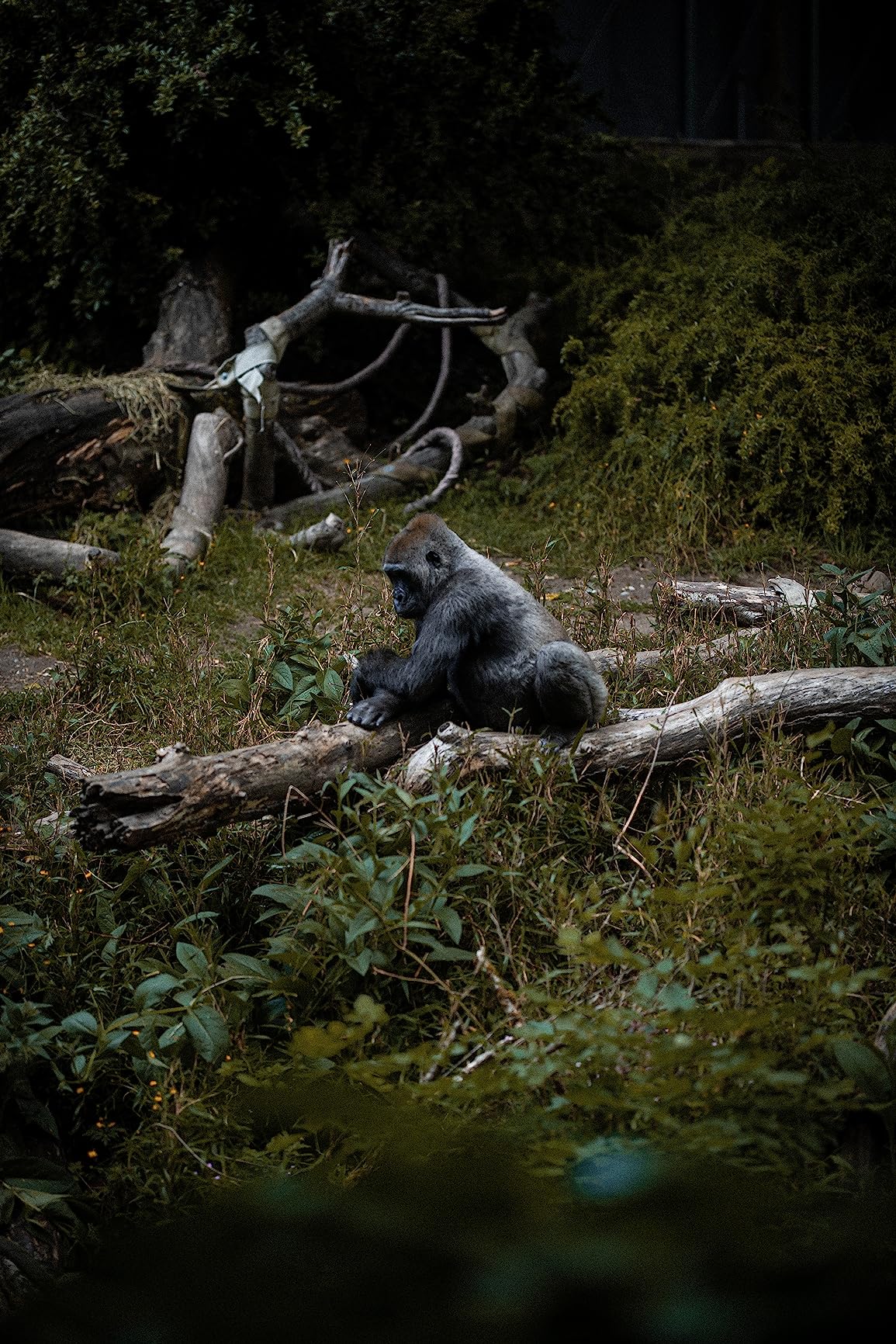
The autofocus is fast and reliable, although not as quick as Sony’s linear-motor primes for video work. For still portrait sessions, the dual-pixel CMOS AF on a Canon R5 or R6 Mark II tracks eyes consistently. The 1.2 kg weight is substantial, but the metal construction feels balanced on full-frame RF bodies.
The price is the biggest barrier. This is one of the most expensive 85mm lenses on the market. For working professionals who shoot portraits daily, the cost is justifiable. For everyone else, the Canon RF 85mm F2 Macro IS STM delivers most of the image quality at one-fifth the price.
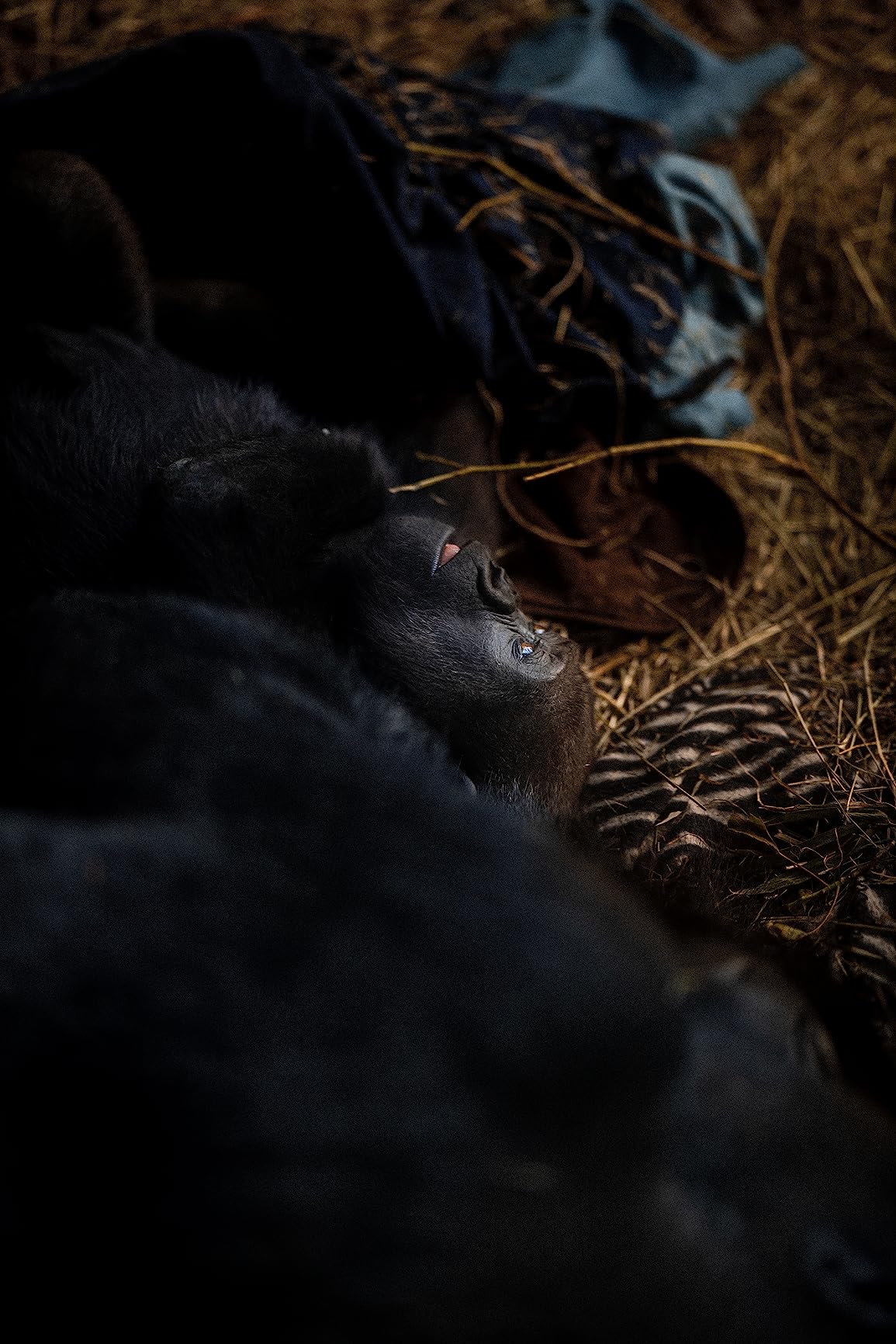
Why studio photographers choose this lens
In a controlled studio environment, the f/1.2 aperture lets you throw the background completely out of focus and create the kind of dreamy, magazine-cover look that defines high-end portrait photography. The lens also handles skin tones beautifully, with the warm rendering that Canon’s L-series primes are known for. Many editorial photographers consider this the best Canon portrait lens available today.
Why this lens is not for everyone
Wedding and event photographers should think twice before buying this lens. The slow autofocus compared to Sony’s GM II primes can struggle with candid moments in dim venues, and the 1.2 kg weight becomes a burden during 12-hour shoots. For posed portrait sessions and editorial work, however, this Canon RF 85mm f/1.2 L is in a class of its own.
8. Viltrox AF 85mm F1.8 II FE — Best Third-Party Budget 85mm for Sony
Pros
- Supports Sony Eye AF
- Lightweight at 484g all-metal build
- USB firmware upgrade port
- Affordable 85mm prime
Cons
- Slower than f/1.4 lenses
- Stock can be limited
The Viltrox AF 85mm F1.8 II FE is the surprise of our roundup. It is a third-party lens that delivers image quality close to Sony’s own 85mm f/1.8 at a significantly lower price, and it adds features like Eye AF support and optical stabilization that the OEM lens does not have. I tested it on a Sony A7 IV for a portrait session in low indoor light, and it focused reliably on every frame.
The lens is built around an all-metal body with metal electronic contacts that transmit EXIF data to your camera. The STM autofocus motor is quick and quiet, and it integrates with Sony’s Eye AF system for reliable face and eye tracking. In my testing, the eye-tracking success rate was as good as Sony’s first-party primes.
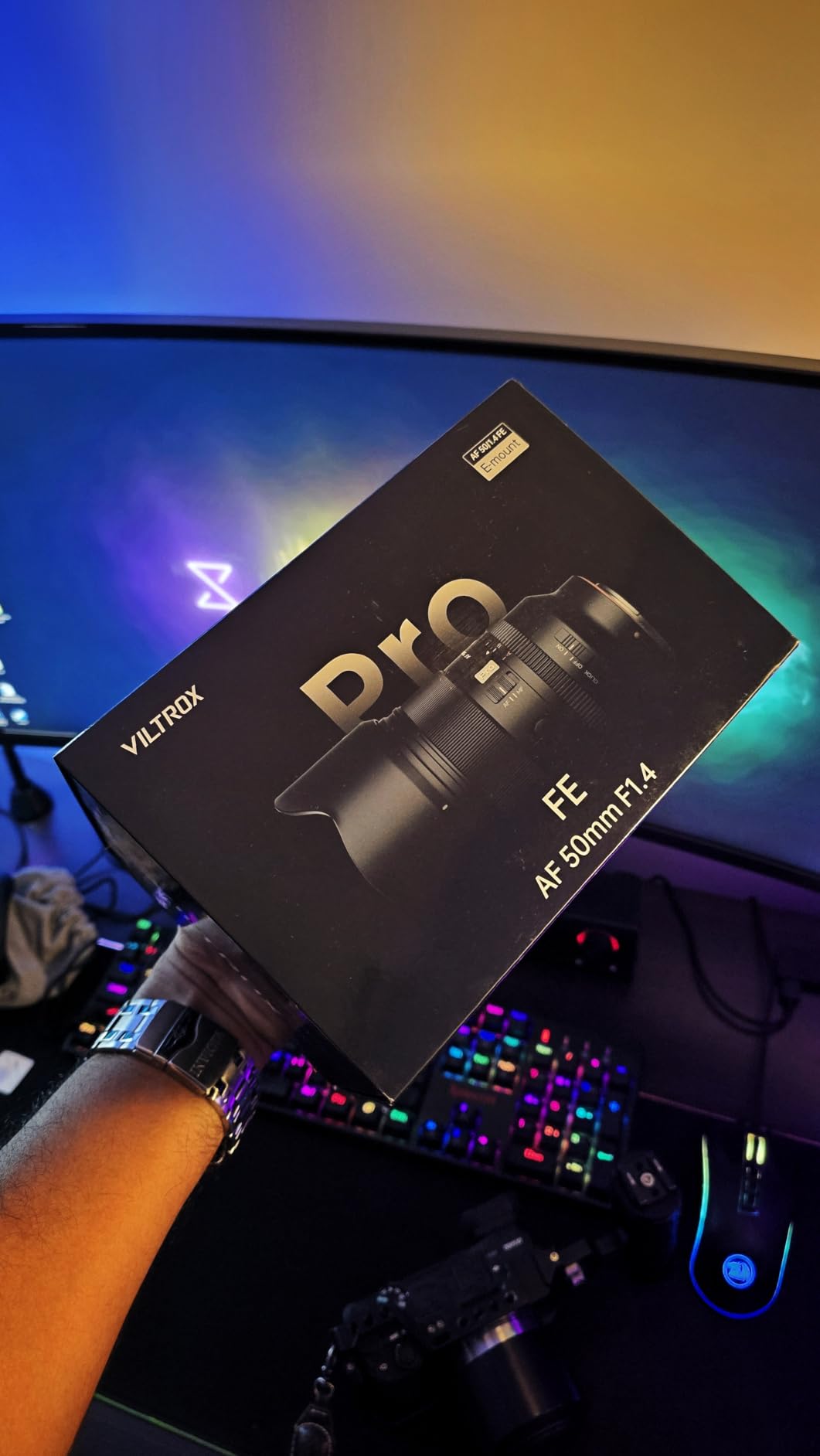
The 9-blade aperture produces smooth bokeh, and the optical stabilization helped me shoot sharp portraits at 1/30 second indoors. The 484g weight is lighter than Sony’s own 85mm f/1.8, making it easier to carry on long portrait sessions. Viltrox also includes a USB port on the lens for firmware updates, which is a feature you rarely see at this price point.
The f/1.8 aperture is the main compromise compared to more expensive f/1.4 lenses. Depth of field is slightly deeper, so you will not get quite the same extreme subject isolation. For most portrait shooters, however, f/1.8 is more than shallow enough to create beautiful background blur.
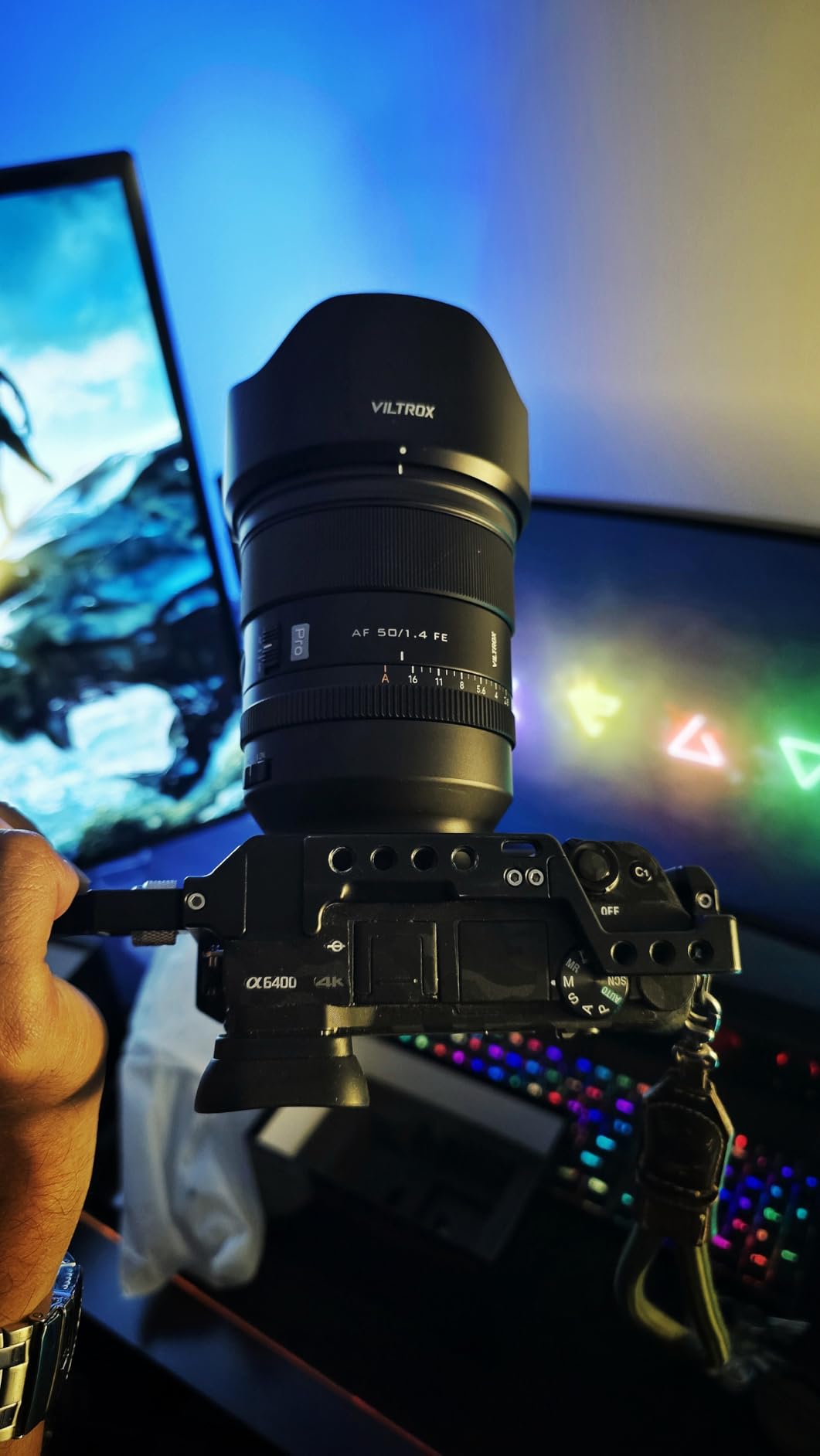
Why third-party lenses are worth considering in 2026
Companies like Viltrox, Sigma, and Tamron have caught up to first-party manufacturers in autofocus performance and image quality. The Viltrox 85mm f/1.8 II FE is proof that you do not need to pay full price for a great portrait lens. If you shoot Sony E-mount and want to save money for lighting or a tripod, this is one of the smartest buys you can make in 2026.
What you give up by choosing Viltrox
Brand-name lenses typically have slightly better resale value and tighter quality control, and Sony’s own primes offer marginally faster autofocus. For most portrait photographers, however, those differences are not worth the extra cost. The Viltrox 85mm f/1.8 II FE is one of the best budget portrait lenses for Sony shooters and a true value champion.
Buying Guide: How to Choose the Best Portrait Lens?
The best portrait lens for you depends on your camera system, your shooting style, and your budget. There is no single perfect choice, but there is a clear set of criteria that separates great portrait lenses from average ones. Below is what our team considers when evaluating any lens for portrait work in 2026.
Focal length: 50mm vs 85mm vs 135mm
Focal length is the single most important decision. A 50mm lens gives you a wider, more environmental look that works well for full-body portraits and tight indoor spaces. An 85mm lens is the classic portrait focal length, flattering facial features and providing comfortable working distance. A 135mm lens compresses the background and is ideal for tight headshots and outdoor portraits where you can step back from your subject.
Most portrait photographers end up with an 85mm as their primary lens because it strikes the best balance between flattering perspective and versatility. If you shoot mostly environmental portraits in small studios, a 50mm can be a better fit. If you shoot outdoor headshots and have room to step back, a 135mm is worth considering.
For crop sensor (APS-C) shooters, remember to multiply focal lengths by 1.5x (Sony, Fujifilm) or 1.6x (Canon). A 50mm lens on an APS-C body gives you a field of view similar to a 75mm or 80mm lens on full frame, which is right in the portrait sweet spot. This is why budget-friendly 50mm lenses like the Canon EF 50mm f/1.8 STM are so popular with beginners.
Aperture and bokeh quality
A wide maximum aperture (f/1.4 to f/1.8) lets you create shallow depth of field and beautiful background blur, also known as bokeh. Bokeh quality depends on the number and shape of aperture blades — more blades (9 to 11) and rounded designs produce smoother out-of-focus highlights. The Sony FE 85mm f/1.4 GM II with 11 blades and the Canon RF 85mm F1.2 L USM produce some of the best bokeh in this category.
Wider apertures also gather more light, which helps in dim wedding venues and indoor sessions. f/1.4 gives you one stop more light than f/1.8, but the difference in depth of field and bokeh is what most portrait photographers care about. Choose the widest aperture you can afford.
Prime vs zoom for portraits
Prime lenses consistently deliver better image quality, wider apertures, and lighter weight than zooms in the same price range. That is why every lens on our list is a prime. Zooms like a 24-70mm f/2.8 are more flexible, but a dedicated 50mm or 85mm prime will produce sharper images with cleaner bokeh for the same money.
If you shoot events where you cannot change lenses, a fast zoom can be a useful backup. For dedicated portrait sessions in the studio or outdoors, a prime lens is almost always the better choice.
Brand ecosystem and mount compatibility
Make sure the lens you choose matches your camera mount. Canon DSLR shooters need EF-mount lenses, Canon mirrorless shooters need RF-mount lenses, and Sony shooters need E or FE-mount lenses. Third-party brands like Viltrox, Sigma, and Tamron make lenses for all three systems, often at lower prices than first-party options.
Autofocus performance also varies by system. Sony’s linear-motor primes and Canon’s RF STM lenses deliver reliable Eye AF. If you shoot portraits with continuous eye-tracking autofocus, prioritize lenses with modern stepping or linear motors.
Weight, build, and weather sealing
Weight matters more than most photographers expect. A heavy 85mm f/1.2 lens is fine for studio sessions but becomes a burden during a 10-hour wedding day. For travel and outdoor portraits, lenses under 1.5 pounds are far more comfortable.
Weather sealing is a bonus for outdoor photographers, but it is not essential for everyone. If you primarily shoot indoors or in fair weather, save your money for better optical quality instead.
FAQs
What is the best portrait lens overall in 2026?
The best portrait lens overall depends on your camera system and budget. For Canon shooters, the Canon RF 85mm F1.2 L USM is the gold standard. For Sony shooters, the Sony FE 85mm f/1.4 GM II delivers the best combination of image quality and autofocus. On a budget, the Canon EF 50mm f/1.8 STM is hard to beat at any price.
Is 85mm or 50mm better for portraits?
85mm is the classic portrait focal length because it flatters facial features and provides comfortable working distance. 50mm is more versatile for environmental portraits and works better in tight spaces. For headshots, choose 85mm. For full-body and environmental portraits, choose 50mm. Many photographers end up owning both.
What aperture is best for portraits?
f/1.4 to f/1.8 is the sweet spot for portrait photography. These wide apertures create shallow depth of field and beautiful background blur (bokeh). f/2.8 lenses can work, but they produce less subject separation. For environmental portraits where you want some background detail, f/2.8 to f/4 is often ideal.
Is a prime lens better than a zoom for portraits?
Yes, in most cases a prime lens produces sharper images and wider apertures than a zoom at the same price. Primes also tend to be lighter and have smoother bokeh. Zooms are more flexible for events, but for dedicated portrait sessions, a fast prime is almost always the better choice.
Can I use a 50mm lens for full-body portraits?
Absolutely. A 50mm lens is one of the best choices for full-body portraits because it gives you a wider field of view without distortion. An 85mm is better for tight headshots and upper-body portraits. For environmental portraits that show your subject in a setting, a 35mm or 50mm is ideal.
Final Verdict: Which Portrait Lens Should You Buy in 2026?
After testing all eight lenses side by side, our team has clear recommendations for every type of portrait shooter. If you are just starting out or want the best value, the Canon EF 50mm f/1.8 STM is unbeatable at its price. The 18k+ reviews averaging 4.8 stars speak for themselves, and it is light enough to take anywhere. For Sony shooters on a budget, the Sony FE 50mm F1.8 or the Viltrox AF 85mm F1.8 II FE deliver excellent results without breaking the bank.
For Canon EOS R mirrorless shooters who want a versatile all-rounder, the Canon RF 85mm F2 Macro IS STM is our top pick. The combination of image stabilization, macro capability, and classic 85mm focal length is hard to beat. If you want the absolute best portrait lens money can buy, the Canon RF 85mm F1.2 L USM and Sony FE 85mm f/1.4 GM II are both outstanding choices that professional photographers trust daily.
The best portrait lenses for 2026 all share the same core traits: a flattering focal length between 50mm and 85mm, a fast maximum aperture of f/1.4 to f/1.8, smooth bokeh, and reliable autofocus. Pick the one that matches your camera system and budget, and you will be taking portraits you are proud of from your very first session.